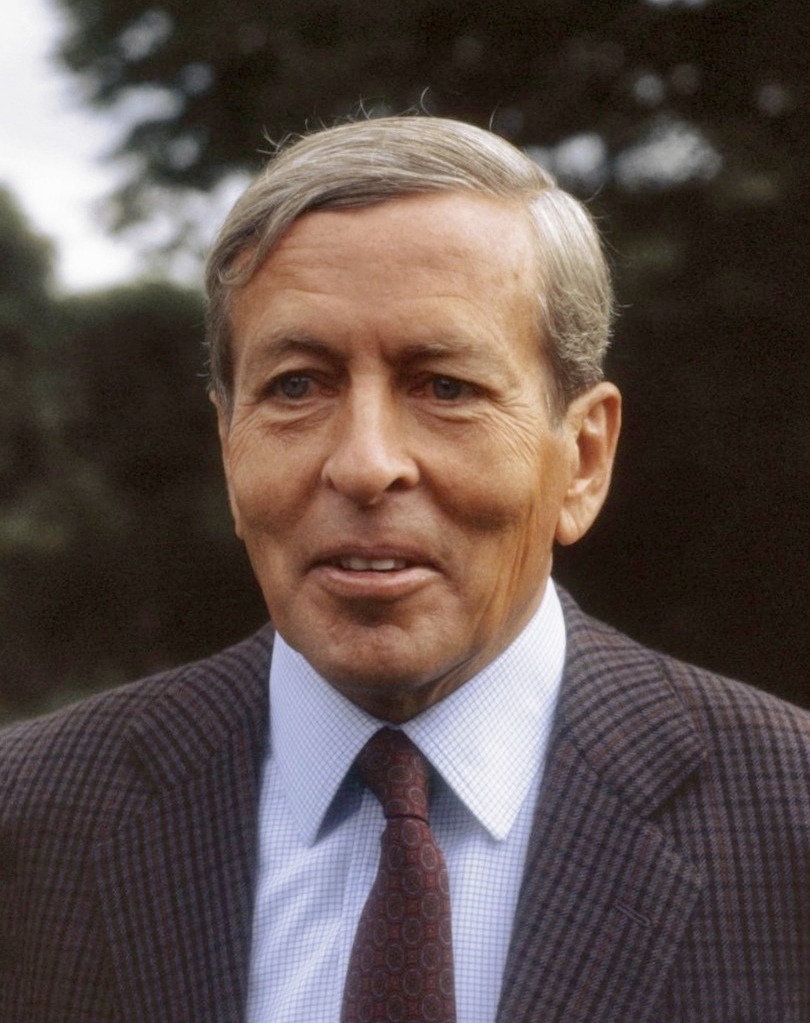
In the annals of Dutch royalty, few figures have captivated the public imagination quite like Prince Claus of the Netherlands. Born Klaus-Georg Wilhelm Otto Friedrich Gerd von Amsberg, he began his journey as an outsider, a German diplomat marrying the future Queen Beatrix in a nation still scarred by wartime memories. Yet, through authenticity, humility, and a remarkable willingness to challenge convention, Prince Claus transformed public skepticism into widespread adoration, becoming arguably the most beloved member of the Dutch Royal House by the end of his life. His story is a powerful testament to the impact one individual can have by simply being themselves, even within the confines of royal protocol.
The Unlikely Royal: A Controversial Beginning
Prince Claus's path to the heart of the Dutch monarchy was anything but conventional. His early life in Germany and the political climate of the 1960s created an immediate hurdle that he would spend decades overcoming.
From German Aristocrat to Dutch Consort
Born on September 6, 1926, on the Dötzingen estate near Hitzacker, Germany, Claus belonged to a family of low German nobility. His father, Claus Felix von Amsberg, was an estate manager with a history as a planter in Africa. Claus’s upbringing was steeped in the traditions of his heritage, a world far removed from the Dutch constitutional monarchy he would one day join. The pivotal moment arrived in 1965 with the announcement of his engagement to Princess Beatrix, the heir apparent to the Dutch throne. This news, however, was met with considerable apprehension in the Netherlands. The wounds of World War II, which had ended just two decades prior, were still fresh, and the notion of a German prince consort was deeply unsettling for many. Fueling this distrust was the revelation that Claus had been a brief member of the Hitlerjugend during his youth and had served in the German Wehrmacht, common for young German men of his generation but deeply problematic for a nation that had endured Nazi occupation.
Navigating Public Skepticism
To address the burgeoning public outcry, the Dutch government commissioned a thorough investigation into Claus's wartime past, led by Dr. Lou de Jong of the then-Rijksinstituut voor Oorlogsdocumentatie (State Institute for War Documentation). The inquiry concluded that while Claus had served, he could not be accused of war crimes, clearing the path for the marriage. Despite this official endorsement, public opinion remained divided. In a bid to win over the populace, Claus made a groundbreaking appearance during the engagement announcement on June 28, 1965. He memorized a minute-long speech in Dutch, a gesture of respect and goodwill that began to chip away at the initial skepticism. Nevertheless, the simmering discontent erupted on the wedding day, March 10, 1966, when anarchists disrupted the royal procession in Amsterdam with a smoke bomb, a stark symbol of the ongoing public resistance to the union. For more on this challenging start, you might be interested in Prince Claus: From Distrust to Beloved Dutch Royal Consort, which delves deeper into his journey to acceptance.
Redefining the Role: From Shadow to Support
Once married, Prince Claus faced the unique challenge of forging an identity and purpose within the strictures of royal life. He grappled with the lack of a traditional career path, but ultimately transformed his position into one of profound influence and genuine partnership.
The Prince Consort's Dilemma
As Prince Consort, Claus found himself in a role traditionally devoid of independent power or a defined career. This was a source of personal frustration for a man who had been a seasoned diplomat. However, he gradually carved out a vital niche for himself as one of Queen Beatrix's most trusted and indispensable advisors. Beatrix herself often publicly acknowledged his unwavering support, stating that she could scarcely imagine her demanding role as monarch without him by her side. Insiders often remarked that Claus was unique in his ability to offer genuine counsel and, when necessary, gently correct the strong-willed Beatrix on crucial matters. Beyond their professional partnership, the royal couple shared a deep and abiding passion for art and culture, often collaborating on projects and fostering a rich intellectual environment within their household. This shared foundation strengthened their bond and provided Claus with avenues for intellectual engagement.
A Haven at Drakensteyn
Amidst the public duties and political pressures, Prince Claus and Queen Beatrix found their greatest joy and solace at Drakensteyn Castle in Lage Vuursche. It was there, raising their three sons—Willem-Alexander, Friso, and Constantijn—that they reportedly spent their happiest years. This period offered a glimpse into their private life, showcasing a family grounded in love and support, away from the intense glare of public scrutiny. The castle became a sanctuary where Claus could embrace his role as a father, a role he cherished deeply, and where the family could foster an environment of normalcy and togetherness before the inevitable move to the larger palace in The Hague. Their time at Drakensteyn underscored the personal sacrifices and quiet triumphs that underpinned their public roles, allowing the prince to truly connect with his immediate family. For a deeper dive into his influence on his wife's reign, explore How Prince Claus Shaped Queen Beatrix's Reign and Image.
The Tie-Dropping Moment: A Symbol of Authenticity
Prince Claus's popularity truly soared in the later years of his life, largely due to a series of authentic and often provocative public appearances that revealed his true character.
Breaking Protocol, Winning Hearts
The defining moment that cemented Prince Claus's image as an authentic and relatable royal occurred in 1998. During a lecture he was giving, he famously untied and removed his necktie, throwing it aside as a symbolic protest against the constricting "straitjacket" of royal protocol and rigid societal expectations. This single act resonated deeply with the Dutch public, who saw in it a powerful expression of his humanity and his quiet rebellion against a system that often stifled individuality. It was a gesture that spoke volumes, demonstrating his desire for openness and sincerity over mere pomp and circumstance. Beyond this iconic act, Claus’s genuine commitment to development issues, particularly in Africa, showcased his profound social conscience. His candid humor and a series of remarkably open interviews further endeared him to the public. He spoke with a refreshing honesty about his struggles, his frustrations, and his personal beliefs, fostering a sense of connection that few other royals managed to achieve. This willingness to be vulnerable transformed his public perception, allowing people to see beyond the title and connect with the man.
The Power of Vulnerability and Integrity
Prince Claus's eventual popularity wasn't just a fleeting trend; it was a deeply ingrained affection rooted in his perceived vulnerability and integrity. His initial image as a somewhat tragic figure, often seen in the shadow of the formidable Queen Beatrix, evolved into that of a sympathetic and highly respected individual. By daring to be authentic, to express his feelings, and to challenge the rigidity of his role, he managed to dismantle the barriers between royalty and the common person. His actions taught an invaluable lesson about the power of genuine self-expression, even for public figures. In a world often dominated by carefully curated images, Claus's unvarnished honesty and his evident empathy made him stand out. He demonstrated that true strength sometimes lies in admitting one's struggles and that genuine engagement with societal issues, rather than mere ceremonial appearances, creates a lasting impact. His transformation from a figure of suspicion to the most popular member of the Royal House is a remarkable case study in public relations built on sheer authenticity.
Overlijden Claus: A Lasting Legacy of Love and Authenticity
The final chapter of Prince Claus's life was marked by declining health, yet his spirit of resilience and his profound impact continued to resonate until his peaceful passing. The reflection on his life underscores the lasting mark he left on the Netherlands and the institution of the monarchy.
The Final Years and His Last Public Appearance
In his later years, Prince Claus’s health significantly deteriorated. He suffered from Parkinson's disease, and his weakened state was further complicated by recurrent lung infections. Despite these challenges, he continued to perform his duties with dignity, though increasingly frail. One of his last significant public appearances, and one that remains etched in the collective memory of the Dutch people, was at the wedding of his eldest son, Prince Willem-Alexander, to Máxima Zorreguieta on February 2, 2002. His presence at this joyous occasion, just months before his passing, was a poignant moment, showcasing his enduring commitment to his family and his country. He looked visibly tired but beamed with paternal pride, a touching image of a father witnessing his son's milestone.
Remembering Prince Claus: A Royal Who Changed Perceptions
It was on October 6, 2002, that Prince Claus sadly passed away at the age of 76, a consequence of his long battle with Parkinson's and pneumonia. The news of the Overlijden Claus (death of Claus) was met with an outpouring of national grief, a testament to the deep affection the Dutch people had developed for him. Ten years after his passing, on October 11, 2012, the NOS television channel aired a documentary titled 'De hand van Claus' (The Hand of Claus), offering a retrospective on his life through archival footage and interview fragments. This documentary, along with countless other tributes, solidified his place in history as a royal who transcended traditional expectations. Prince Claus redefined what it meant to be a prince consort, demonstrating that empathy, integrity, and a willingness to be vulnerable could transform public sentiment. His legacy is one of a man who dared to challenge the status quo, enriching the Dutch monarchy with his unique blend of intellect, humor, and profound humanity. He didn't just marry into royalty; he breathed new life into it, leaving an indelible mark that continues to inspire.
Prince Claus's journey from a controversial outsider to a universally adored figure within the Dutch Royal House is a remarkable story of perseverance, authenticity, and profound personal growth. He taught a nation that true strength often lies in vulnerability, that integrity shines brightest when challenged, and that a single act of defiance—like dropping a tie—can speak volumes. His unwavering support for Queen Beatrix, his genuine commitment to social causes, and his candid human approach to royalty left an enduring legacy that continues to resonate. Prince Claus remains a beloved figure, a royal who dared to be himself and, in doing so, won the hearts of millions.