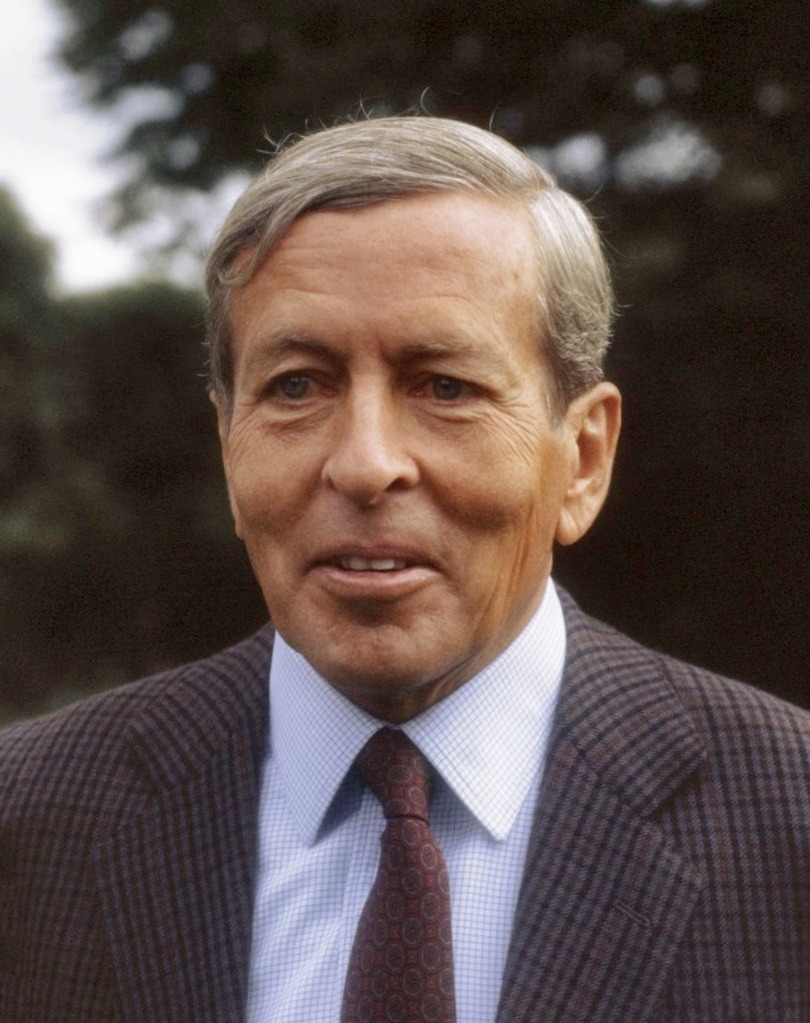
Prince Claus: A Journey from Skepticism to Endearing Royal Status
The story of Prince Claus of the Netherlands is a compelling narrative of transformation, demonstrating how authenticity and resilience can win over even the most skeptical hearts. Arriving in a nation still scarred by the specter of World War II, this German diplomat, destined to marry Crown Princess Beatrix, faced an uphill battle against public distrust. Yet, by the end of his life, Prince Claus was not merely accepted but cherished, a beloved figure whose humanity and integrity resonated deeply with the Dutch people. His passing, often referred to as Overlijden Claus, marked the end of an era, but solidified his legacy as one of the most impactful consorts in modern European history.
Claus George Willem Otto Frederik Geert, born Klaus-Georg Wilhelm Otto Friedrich Gerd von Amsberg on September 6, 1926, hailed from a minor German noble family. His early life in Hitzacker, Germany, on his family's Dötzingen estate, offered little hint of the royal destiny that awaited him. Yet, it was this very German heritage that would initially prove to be his greatest obstacle in the Netherlands.
A Challenging Introduction: Overcoming Wartime Shadows
When the news broke in 1965 that Crown Princess Beatrix had chosen Claus von Amsberg as her fiancé, the reaction across the Netherlands was far from celebratory. The wounds of World War II were still fresh, and the notion of a German consort for the future queen stirred a deep-seated apprehension. Compounding this unease was the revelation that Claus had briefly been a member of the Hitler Youth and had served in the German Wehrmacht. This background ignited widespread suspicion, raising questions about his past and suitability for a role within the Dutch Royal House.
Recognizing the gravity of the situation, the Dutch government commissioned a thorough investigation into Claus's wartime past. Led by Dr. Lou de Jong of the then-State Institute for War Documentation, the inquiry meticulously examined his involvement. The findings were crucial: despite his brief conscription into the German armed forces, Claus was cleared of any involvement in war crimes. This official endorsement paved the way for the marriage, though public sentiment remained fragile.
In a remarkable and pioneering move for a royal engagement, Claus and Beatrix made a direct, televised announcement on June 28, 1965. During this broadcast, Claus famously delivered a minute-long speech in Dutch, a language he had diligently memorized for the occasion. This genuine effort to connect with the Dutch people, coupled with his earnest demeanor, began to chip away at the initial skepticism. He started to win over a segment of the population, demonstrating his commitment and a willingness to embrace his new nation. However, lingering resentment surfaced dramatically on their wedding day, March 10, 1966, when their carriage procession through Amsterdam was disrupted by a smoke bomb, a stark reminder of the division he still faced.
The Evolution of a Consort: Beyond Royal Protocol
Despite the initial challenges, Prince Claus gradually carved out a unique and profoundly respected role for himself within the Dutch monarchy. In his early years as Prince Consort, he openly struggled with the limitations of his position, accustomed to a life where he could pursue his own career and passions. The rigid protocol and the expectation to remain in the shadow of his powerful wife were difficult adjustments for a man of his intellect and drive. However, Claus transformed this challenge into an opportunity, becoming an indispensable advisor to Queen Beatrix.
Beatrix herself frequently acknowledged the profound support and counsel she received from her husband, stating that she could scarcely imagine her reign without his steadfast presence. Those close to the royal couple observed that Claus was perhaps the only person capable of offering constructive criticism to the "opinionated" Queen at crucial moments. Their bond was not merely one of duty but also shared passions, particularly a deep interest in art and culture, which enriched their personal and professional lives. The couple often spoke fondly of their happiest years spent raising their three sons at Drakensteyn Castle in Lage Vuursche, a period of relative normalcy away from the immediate glare of public life.
It was in his later years that Prince Claus truly blossomed in the public eye, shedding his image as a somewhat tragic, vulnerable figure. His transformation was marked by a series of candid and impactful public appearances. One of the most memorable occurred in 1998 during a lecture, where he dramatically untied and cast off his necktie, an symbolic gesture against the constricting formality of his position and, by extension, societal pressures. This act, broadcast widely, humanized him instantly, presenting him as a man of principle who valued authenticity over convention. His genuine dedication to issues in Africa, his understated humor, and several remarkably open interviews further endeared him to the public. Through these actions, Claus cultivated an image of a sympathetic, authentic, and morally upright individual, a departure from the perceived stiffness of royal life. He showed that true leadership often comes from vulnerability and a willingness to challenge norms. Indeed, to understand how he broke through these barriers, you might find insight in Prince Claus: A Royal Who Dared to Drop the Tie and Win Hearts.
The Final Years and Enduring Legacy
The final chapter of Prince Claus's life was marked by declining health. He battled Parkinson's disease and suffered from pneumonia, illnesses that progressively weakened him. Despite his frail condition, he maintained a dignified public presence, a testament to his commitment to his role. One of his last significant public appearances was at the wedding of his eldest son, Prince Willem-Alexander, to Princess Máxima on February 2, 2002. His presence, visibly ailing yet beaming with paternal pride, touched the hearts of many, symbolizing his unwavering dedication to his family and the monarchy until the very end.
Prince Claus passed away on October 6, 2002, at the age of 76. His death, commonly referred to by the Dutch as Overlijden Claus, triggered a national outpouring of grief and affection. At the time of his passing, he was widely regarded as the most popular member of the Dutch Royal House, a remarkable turnaround from the widespread distrust he faced almost four decades prior. His journey from an initially controversial figure to a universally beloved consort is a unique testament to his character and the power of genuine connection.
His legacy extends beyond personal popularity. Prince Claus played a pivotal role in modernizing the image of the Dutch monarchy, making it more accessible and relatable. His willingness to speak openly about his struggles, his commitment to social causes, and his authentic personality created a bridge between the regal institution and the everyday citizen. His quiet strength and profound influence on Queen Beatrix undoubtedly shaped her reign, offering a blueprint for modern royal partnerships. To delve deeper into this dynamic, explore How Prince Claus Shaped Queen Beatrix's Reign and Image.
Documentaries, such as 'De hand van Claus' (The Hand of Claus), released ten years after his death, continue to offer retrospectives on his life, featuring archival footage and interviews that underscore his lasting impact. These reflections affirm his enduring popularity and his transformation from an outsider into an integral and cherished part of the Dutch national identity.
Reflections on Consortship: Lessons from Prince Claus
Prince Claus's life offers invaluable insights into the unique challenges and opportunities of a royal consort. His initial struggles highlight the often-overlooked psychological toll of relinquishing a personal career for a life of public service in another's shadow. Yet, he masterfully navigated this by:
- Embracing Authenticity: His candidness about his struggles and his iconic gesture of dropping his tie demonstrated the power of being genuinely human in a highly formal role.
- Cultivating Purpose Beyond Protocol: Instead of being defined solely by his consort title, he focused on causes he genuinely cared about, like development in Africa, which gave him personal fulfillment and public credibility.
- Becoming an Indispensable Partner: By evolving into a trusted advisor, he demonstrated that a consort's influence can be profound, even if exercised behind the scenes, enhancing the reign of their spouse.
His journey teaches us that overcoming public skepticism requires more than just formal approvals; it demands consistent, authentic engagement and a willingness to reveal one's true self, even amidst scrutiny.
Conclusion: A Legacy Forged in Trust
Prince Claus's story is an extraordinary testament to human resilience, integrity, and the power of genuine connection. From the initial wave of distrust sparked by his German heritage and wartime past, he meticulously built a foundation of respect and affection among the Dutch people. His transformation from a struggling outsider to the most popular member of the Dutch Royal House was a gradual process, fueled by his commitment to his adopted nation, his understated humor, his profound humanity, and his willingness to challenge royal strictures. The national reflection following the Overlijden Claus confirmed his status as a beloved figure, whose legacy continues to inspire. He proved that even within the most traditional institutions, authenticity and a compassionate heart can profoundly shape public perception and leave an indelible mark on history.